CUA S1 Forms: Jev-Like for GUI Form Filling Model Locally
Locally installs and tests cua-s1-forms, a small, jev-like one-pass option scorer for GUI form filling.
Videos
Find videos about LLM models, hardware, runtimes, benchmarks and practical AI workflows.
Locally installs and tests cua-s1-forms, a small, jev-like one-pass option scorer for GUI form filling.
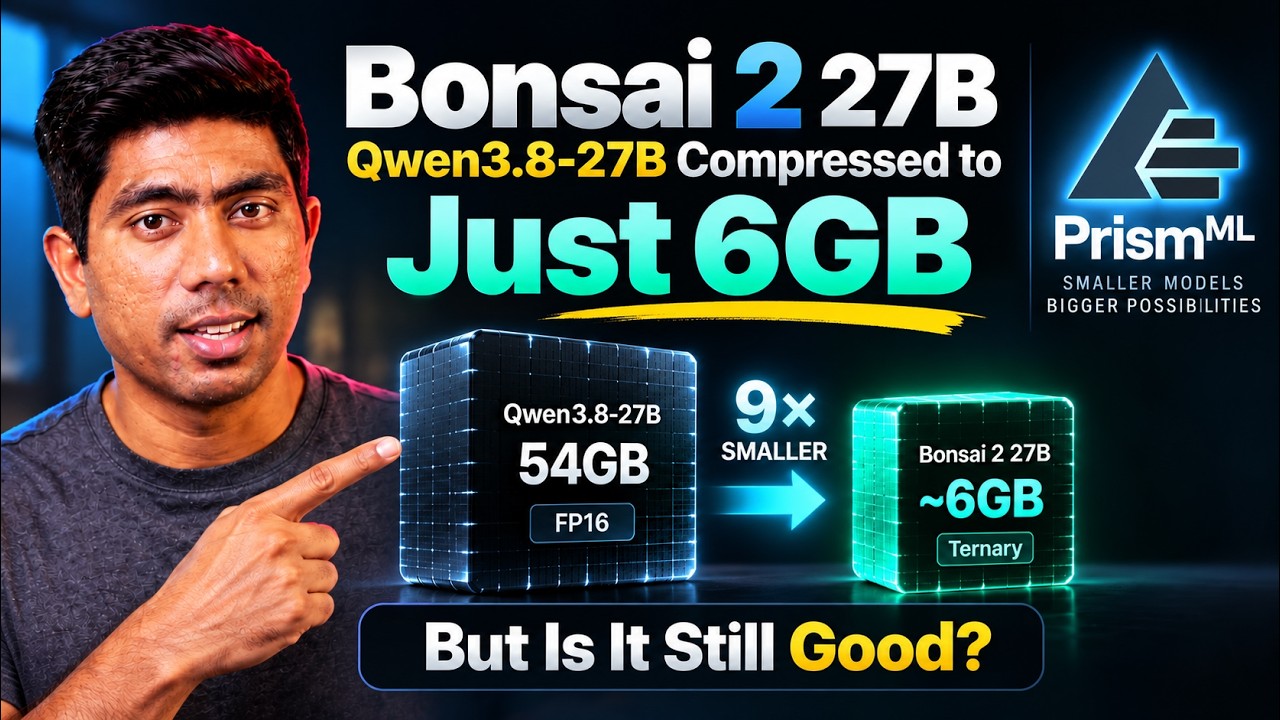
Bonsai 2 27B compresses Qwen3.8-27B from ~54 GB FP16 to ~6 GB using ternary weights, retaining ~98.2% of aggregate benchmark performance per PrismML.
Locally installed Realtime-Venus demonstrates proactive audio-visual interaction, asynchronous delegation, and interruption-aware full-duplex dialogue capabilities.
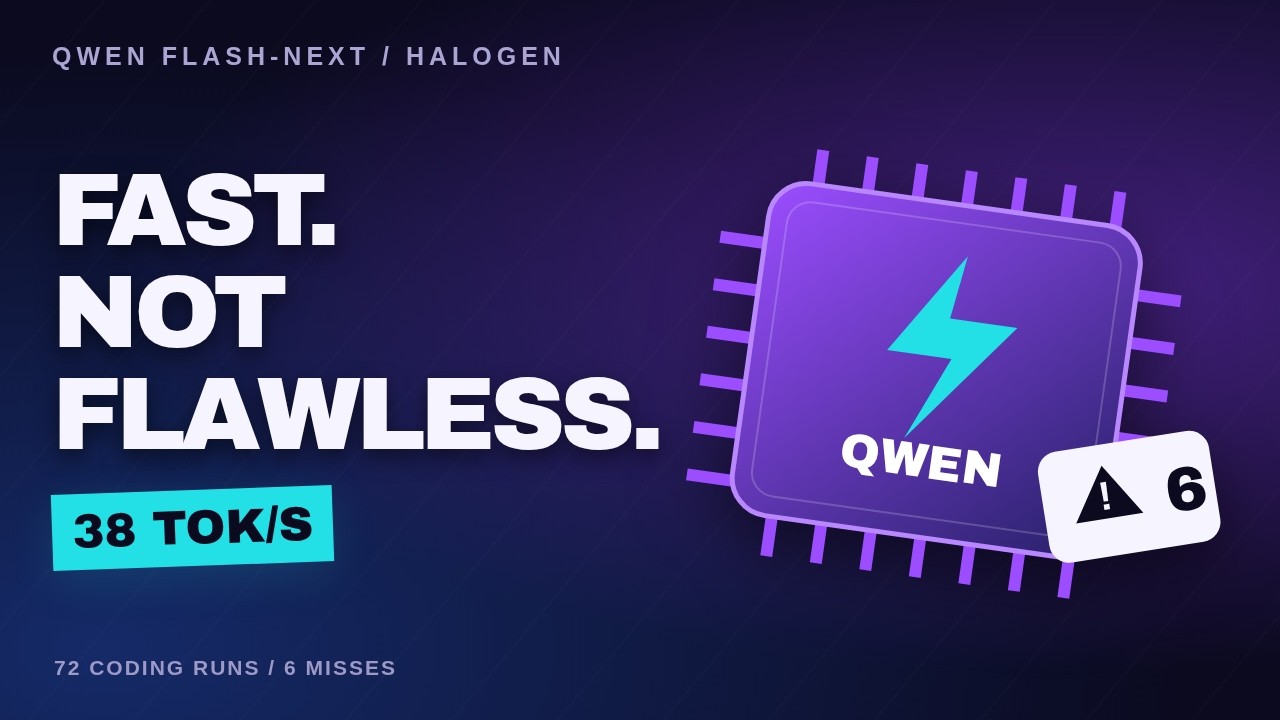
Qwen 3.8 Flash-Next ran on Halogen Flash Server via 72 coding jobs across OpenCode, dsh, and Pi harnesses on a 128 GB Strix Halo system.
Compares Bonsai 2 against Qwen 3.5 9B, Qwen 3.6 35b-a3b and Bonsai 1 using Bob-Bench scores on 8GB VRAM configurations.
Installs and compares Swift-Qwen3.8-27B with Original Qwen to evaluate whether the claim of fewer thought tokens holds true.
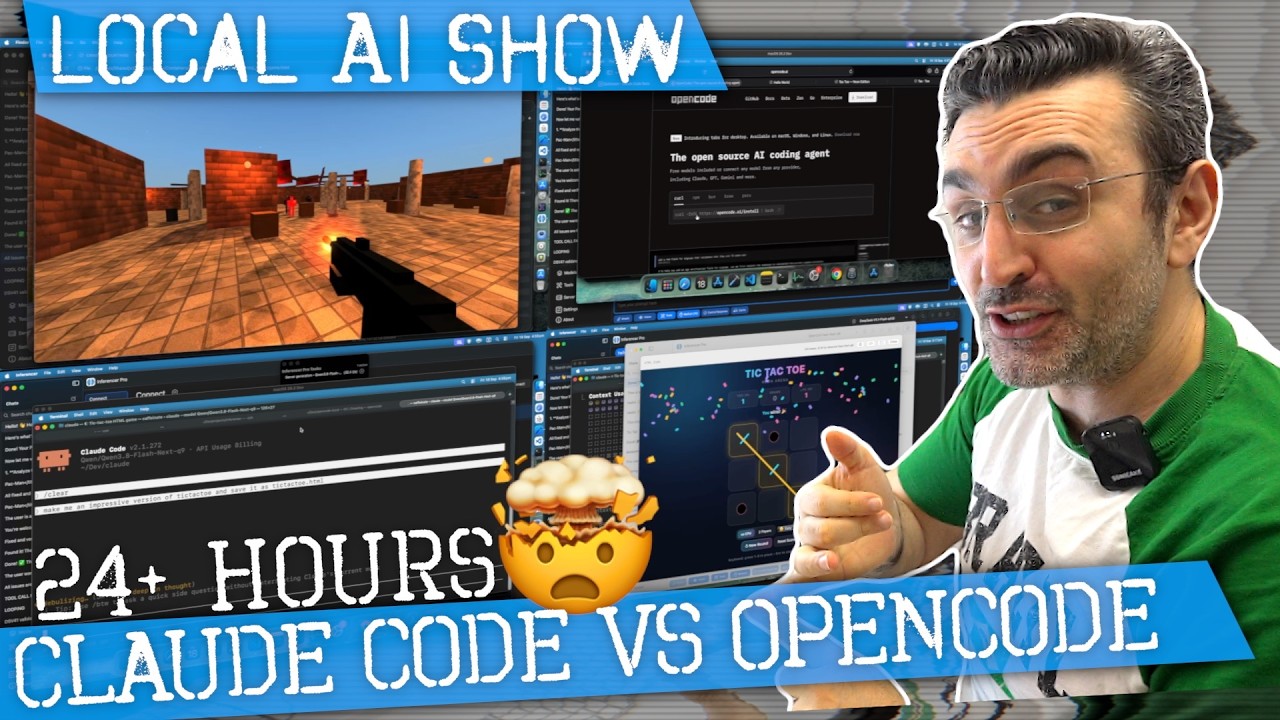
Evaluates Claude Code, OpenCode and native Inferencer using Qwen4 Exp on Mac Studio M3 Ultra via Tic-Tac-Toe generation, modifications, image inferencing and token usage comparisons.
Demonstrates configuring llama.cpp flags to achieve two to three times faster local large language model inference performance.
Demonstrates combining vibe coding with rigorous specifications through iterative refinement passes before implementing the Dust to Dominion game using an LLM to generate 100% of the code.
Covers AI pacing debate, Claude Cowork merge, Gemini Notebook study tools, Siri AI launch, Qwen3.8 Omni Flash, Meta One subscription, and UBTECH robot factory updates.
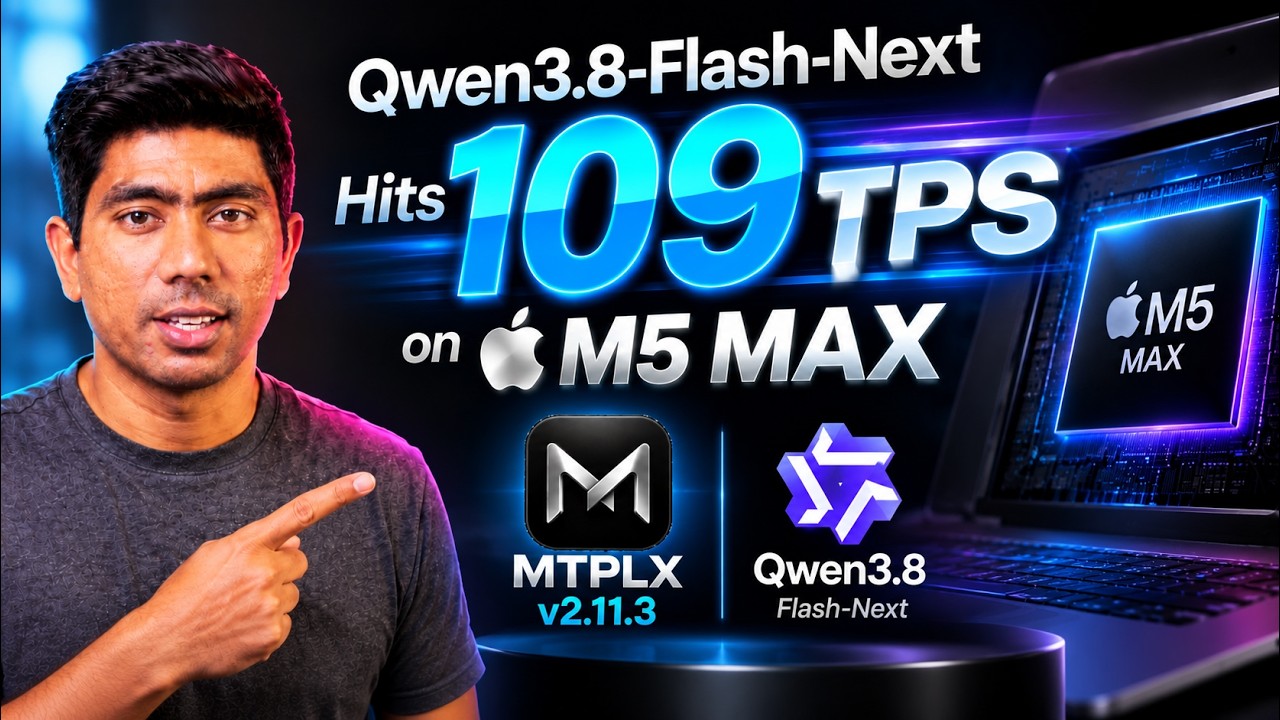
Tests Qwen3.8-Flash-Next on M5 Max using MTPLX v2.11.3, which fixes 8 defects in decoding, caching, tokenization, sampling, state restoration, and tool handling.
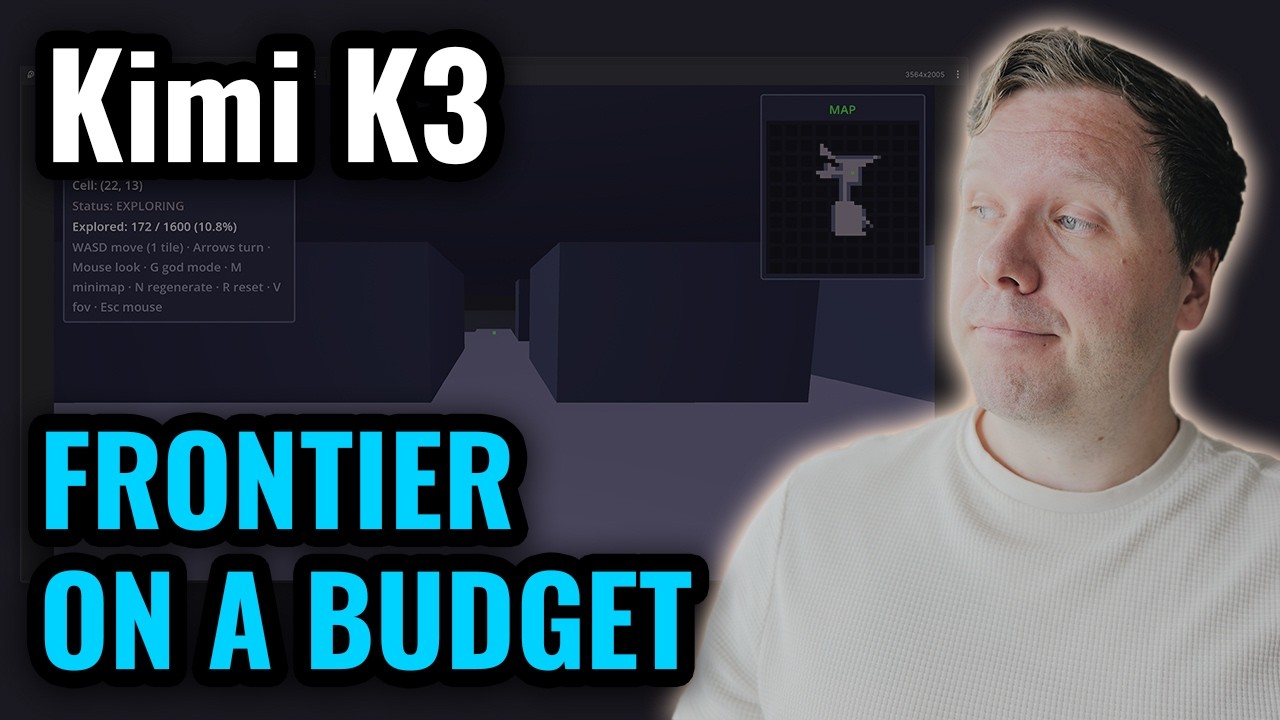
Tests Kimi K3 across Performance, Memory, Agency, OpenAI Human Eval, Kanban, Sand Physics, Dungeon Crawler, Blender and Godot tasks.
Locally installs and tests Ternary-Bonsai-2-27B-gguf.
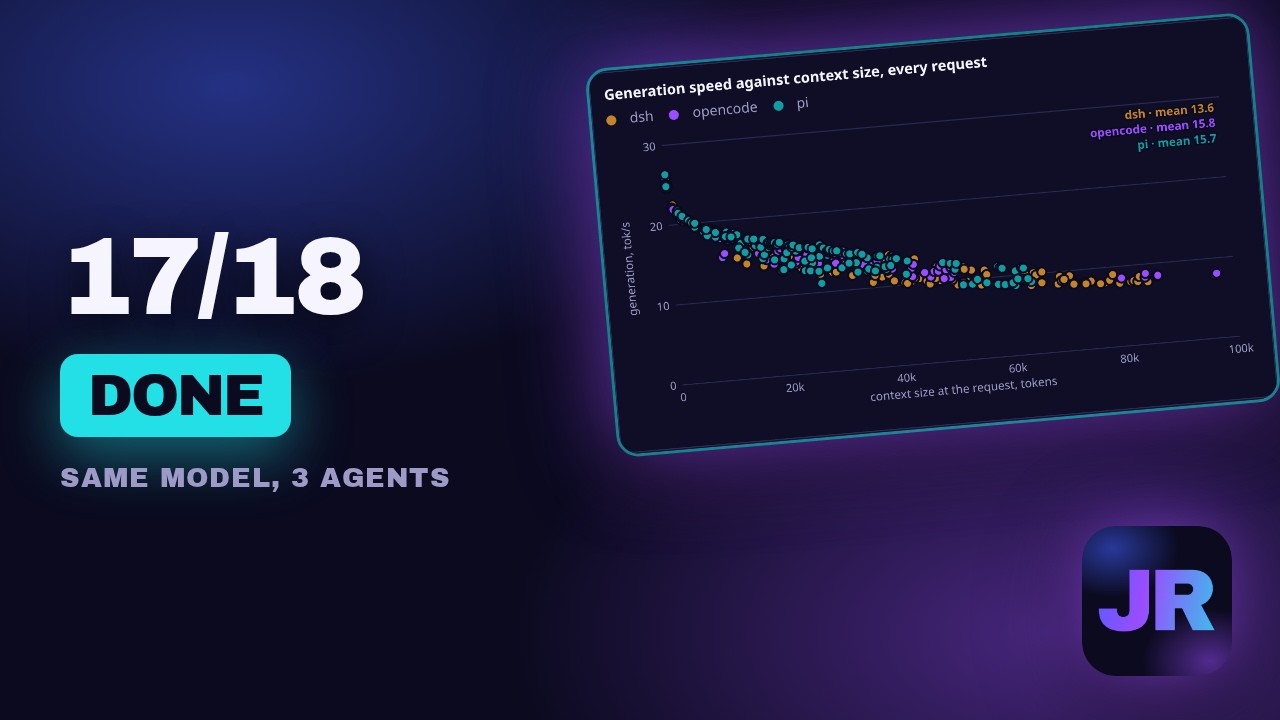
Tests Qwen 3.8 Flash-Next generation speed across OpenCode, Pi and DeepSeek Harness using 18 benchmark jobs at xhigh thinking level on a GMKtec EVO-X2 with Strix Halo hardware.
Tests Bonsai 2 27B across browser workflows, website generation, C++ game development, Blender scenes, FPS games, frontend design, image-to-SVG conversion, and simple 3D games.
Explains Deepseek V4.1 Flash architecture covering prefill versus decode, causal encoder decoder, global versus local cache, sliding window attention, CSA2, hierarchical sparse indexer, single pass mH
Tests Qwen3.8-Omni-Flash, a native omnimodal model, using images, video, and audio inputs simultaneously.
Token generation speeds were measured for Gemma 4 E2B, Gemma 4 12B, gpt-oss 20B, Gemma 4 26B, Qwen 3.6 35B, and Qwen 3.8 27B using Ollama on a Geekom A9 Max mini PC with 32 GB RAM.
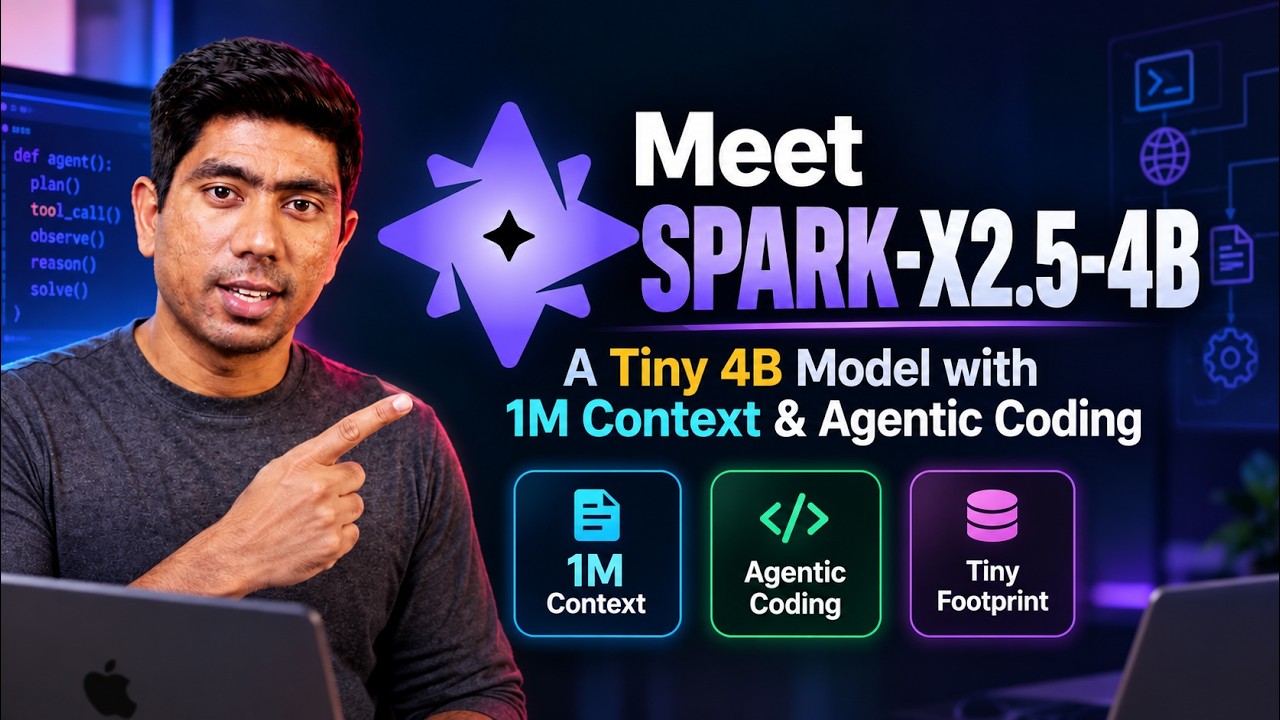
Tests Spark-X2.5-4B agentic coding via Playwright MCP tool calling and .NET 10 migration, highlighting its hybrid attention architecture combining 3 sliding-window and 1 full-attention layers.
Explains how Tencent used Sherry quantization to shrink a 770B model from 1.5TB to 214GB.
Demonstrates a team brain architecture using Oracle AI Database, consolidating data from chats, repos, and docs into one table with labeling, row-level security, and MCP access for coding agents.
Tests Union Alpha, a multimodal model designed for research, coding, and agentic workflows.
Tests Qwen3.8-Flash-Next on RTX PRO 6000 with SGLang, measuring speed, BFCL, tau^2-bench, long context, strategic reasoning, SVG drawing, video editing and motion design capabilities.
Tests eight RTX Pro 6000 GPUs with 768GB VRAM installed in a Comino Grando chassis to evaluate performance limits.
Demonstrates running TalkWithMe v7.1 with LuxTTS, tts.serve v1.1, optimized STT and LLM components within 4GB VRAM constraints using maximum and minimal setups.
Compares GLM 5.3 and GLM 5.3 Flash architectures via config rebuilds, detailing DSA/KDA layer stacking, lightning indexer usage, MoE routing, MTP draft layers, and KV cache calculations.
Evaluates Qwen 3.8 Max via ClinePass using performance, memory, agency, OpenAI Human Eval, Kanban, Sand Physics, Dungeon Crawler, Blender and Godot tests within the Cline agent.
Compares local generations against cloud-based EvoX AI Harness performance using Kimi K3 versus GPT-5.6 Sol, demonstrating advanced controls, self-evolution, and swarm agent capabilities.
Locally installs and tests Serena, providing essential semantic code retrieval, editing, refactoring and debugging tools.
Demonstrates offloading experts for Qwen 3.6 35B-A3b on llama-server with 8GB VRAM, covering 12GB corrections, layer offload sweeps, and Bob-bench Wide evaluations.
Introduces model Jev, which uses RLCD, standing for Reinforcement Learning for Calibrated Decisions.
Demonstrates building a RAG system with LangChain, RAGWire, and Qdrant using Amazon and Google 10-K filings, covering hybrid search, metadata filters, cited answers, and custom agents with memory.
Compares local Qwen3.8-27B with cloud models for TestSprite AI testing efficiency during tool calls, test generation, result analysis and iteration.
Tests Atria Dawn Preview, an agentic model by Shanghai Artificial Intelligence Laboratory, demonstrating continuous environmental understanding in real tasks.
Installation guide for running YuE2 in ComfyUI to generate music and create cover songs using text prompts, instrumental settings, reference audio, and agent iterative editing.
Claude Code uses a custom skill to directly control screens via LLMs, automating setup, staging, testing, and driving agents through hard rules and control loops.
Locally installs and tests the pfeifferj/GLM-5.3-Flash-GSQ-RCO-GGUF variant using GSQ and RCO quantization methods.
Coding competition evaluating Ornith-1.5-9B, Spark-X2.5-4B, and IBM's Granite-4.2-8B on automating mundane, repetitive tasks using OpenCode GPU sidebar plugin and VoxCtrl.
Tests oMLX v0.7.0.dev2 with Qwen3.8-Flash-Next 125B MoE on an M5 Max with 128GB unified memory, measuring inference speeds up to ~70 tokens/sec.
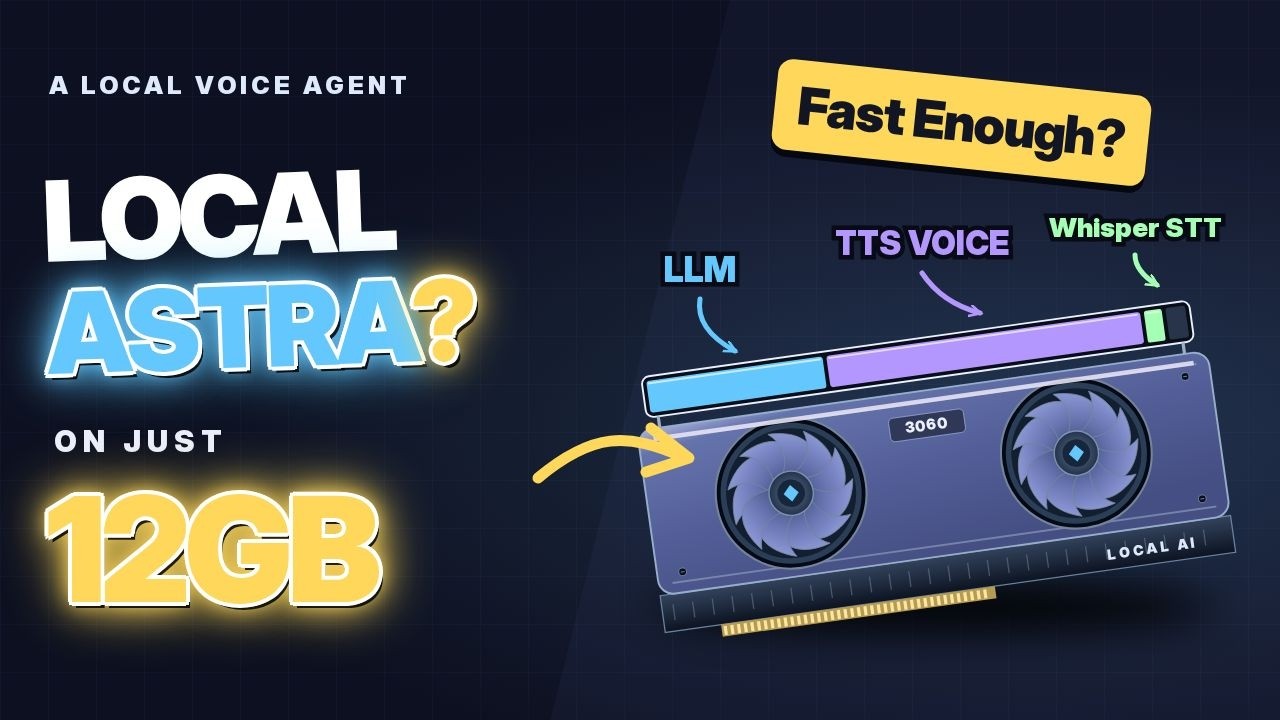
Demonstrates optimizing a local voice agent in Pithagoras using Qwen3.6-35B-A3B, Breeze-TTS-2, Whisper, and Silero VAD on an RTX 3060 via overlapping pipelines and quantization.
Tests Cognition SWE-2 performance on browser workflows, C++ games, Blender, Godot, robot arms, FPS dev, 3D models, and frontend design.
Tests performance, memory, reasoning, OpenAI Human Eval, Kanban, Sand Physics, Dungeon Crawler, Blender and Godot for unsloth/Qwen3.8-Flash-Next-GGUF on a 16GB local setup.
Runs unmodified NVIDIA CUDA applications on AMD GPUs using ZLUDA and ROCm/HIP via the CUDA-for-AMD-Windows project.
Evaluates entirely-in-VRAM configurations for 16GB GPUs using Base Qwen and Qwen 3.8 27B GSQ-RCO against unsloth quants, demonstrating live iOS coding performance.
A 27B model runs on a hand-sized PC while evaluating integrated graphics, GPU upgrades, model optimization, connection bandwidth, and testing pitfalls.
Installs and tests NeoHorse-1-4B, described as an initial prototype on the path toward recursive self-improvement (RSI).
Covers Deepseek v4.1 Flash, AlphaGenome Atlas, AuK, YuE2, Navier Stokes solution, Lingbot World 2, Marigold v2, Unimate, Isaac 0.5, World Sculpt, Fire3D, Show Harness, Edge0, RealSWE, Suno V6, GPT for
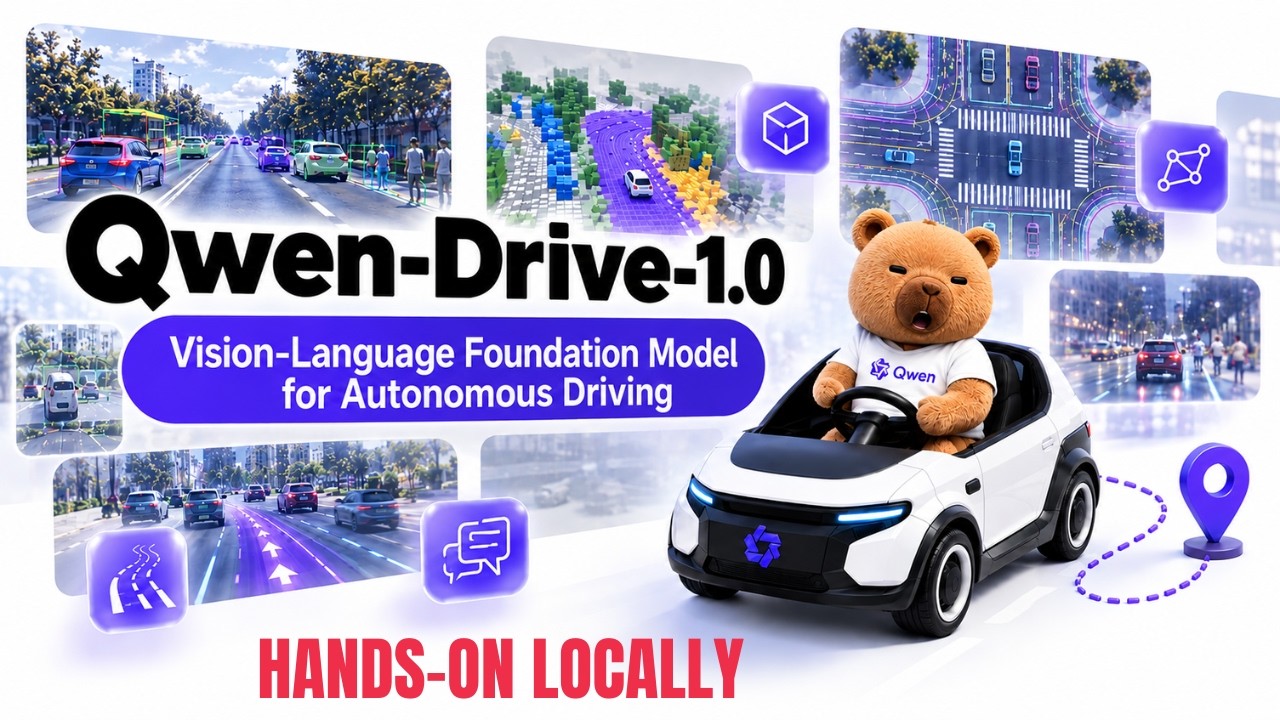
Locally installed Qwen-Drive-1.0-4B was found contradicting itself during hands-on testing.
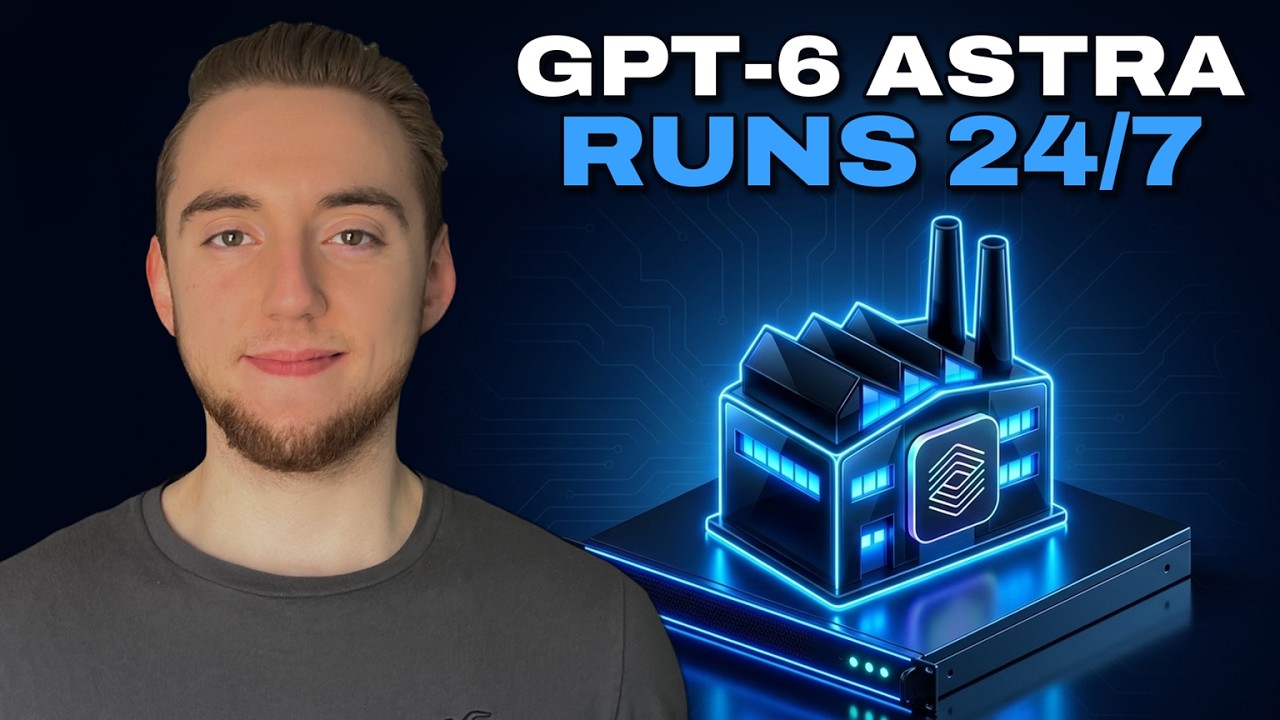
Demonstrates running the ai-software-factory with GPT-6 Astra via a coding agent that auto-configures servers to process PRDs into validated code.
Locally installs YuE2, an open music generation model described as having frontier song quality competitive with Suno v5/v6.