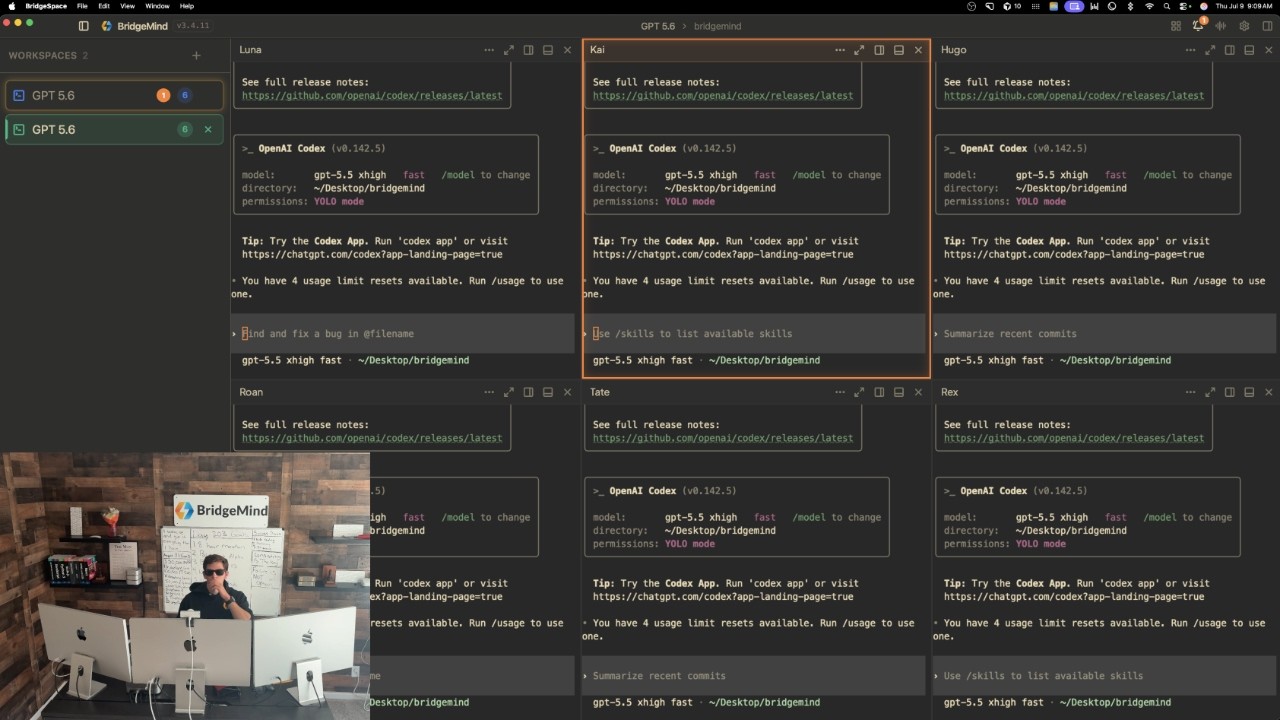
Vibe Coding With GPT 5.6
Evaluates GPT 5.6 via BridgeBench, Codex, GPT 5.6 SOL, and multi-agent orchestration in BridgeSpace against Claude Fable 5 and Grok 4.5 using identical workflows and real production tasks.
Videos
Find videos about LLM models, hardware, runtimes, benchmarks and practical AI workflows.
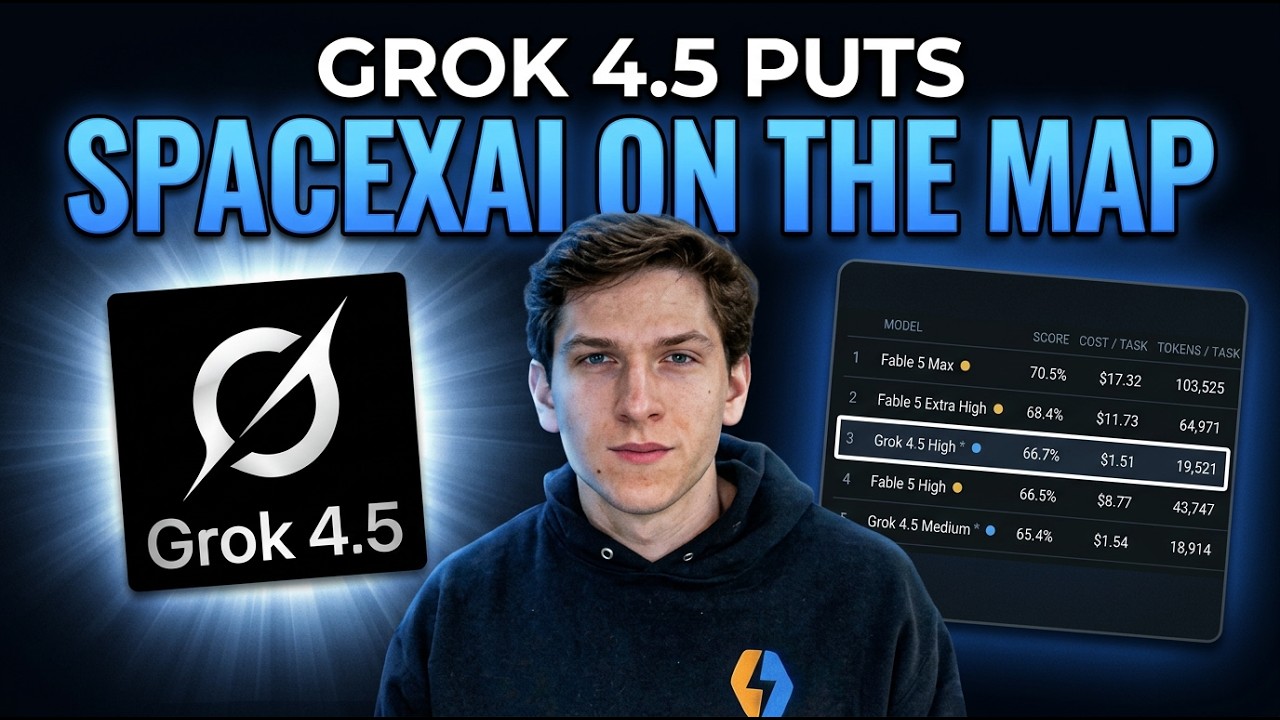
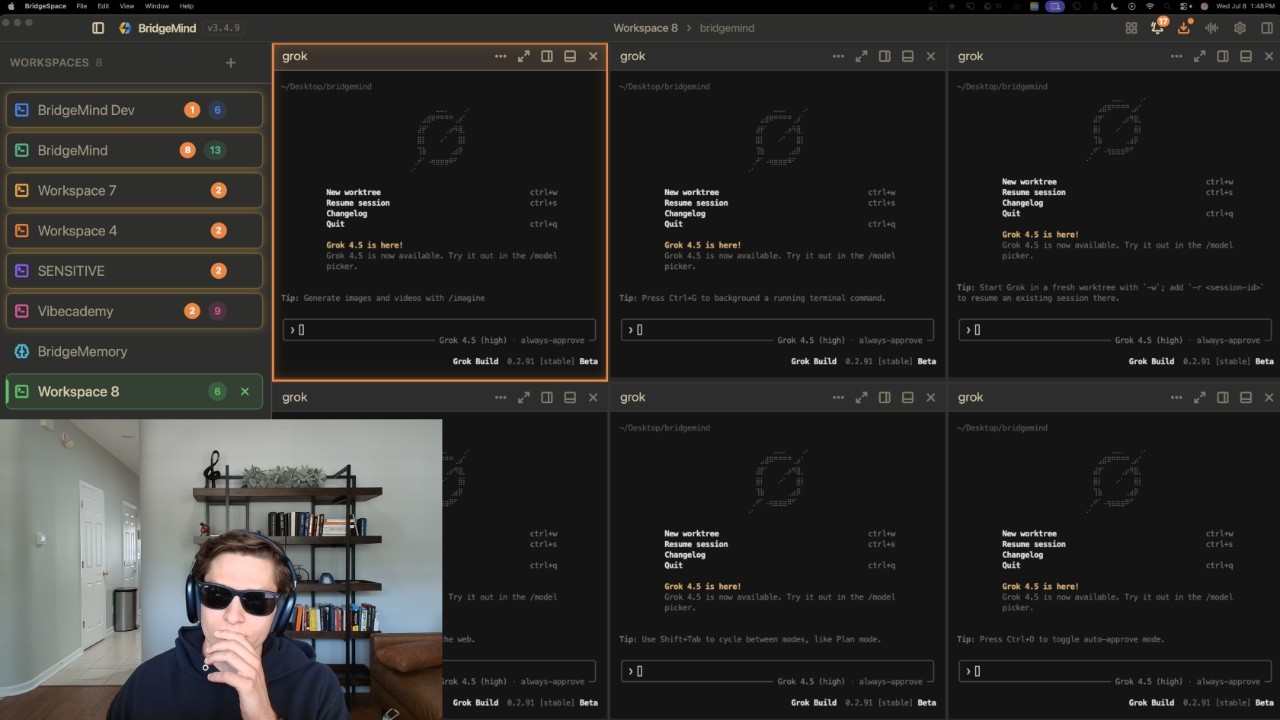
Evaluates GPT 5.6 via BridgeBench, Codex, GPT 5.6 SOL, and multi-agent orchestration in BridgeSpace against Claude Fable 5 and Grok 4.5 using identical workflows and real production tasks.
Installs and tests Pegaflow, a production-grade external KV cache service that plugs into vLLM.
Tests Tencent's 295B MoE Hy3 locally and in the cloud, comparing it against GLM 5.2 and Gemini 3.1 Pro to evaluate its performance levels.
Demonstrates configuring OpenCode with a local LLM provider, then testing it via a bug hunt and implementing a feature in a Java MCP library verified with MCP Inspector.
Evaluates Grok 4.5 via Artificial Analysis coding index, building apps, and comparing against Fable 5 and GPT 5.5, noting CursorBench leakage.
Compares Qwythos 9B v3 MTP and Qwen 3.5 9B MTP via Performance, Memory, Agency, OpenAI Human Eval, Expense Tracker, and Memory Match Game tests on an 8GB VRAM GPU.
Locally installs and tests Nemotron-Labs-3-Puzzle-75B-A9B, a deployment-optimized model produced using Iterative Puzzle.
Tests Grok 4.5 via Terminal Bench, SWE Bench Pro, and real-world coding tasks, comparing performance, pricing, speed, and token efficiency against Claude Fable 5, GPT-5.5, Claude Opus 4.8, and Gemini
Tests Grok 4.5 against GPT and Claude Opus via browser OS, skydiving simulation, sprite sheet games, Linux drivers, frontend design, C++ skate games, 3D modeling, and Subway FPS tasks.
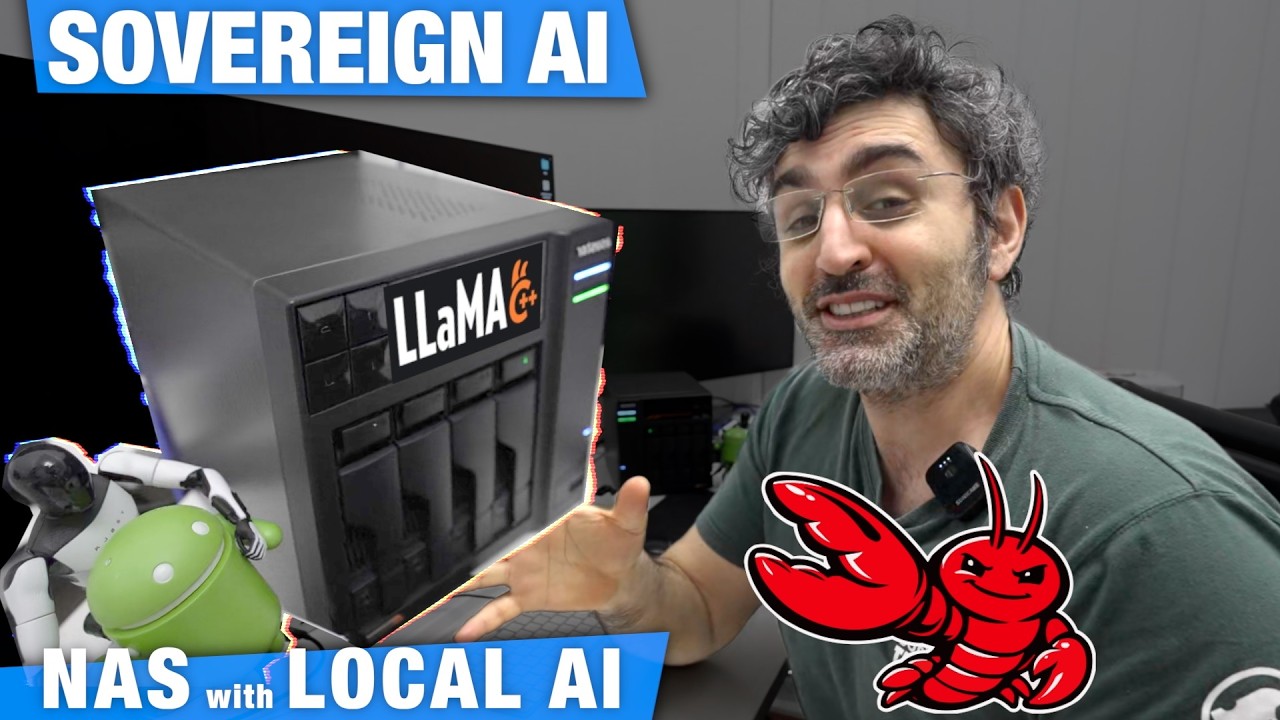
Evaluates local AI inference speed using Llama.cpp with Gemma 4 and GPT-OSS models, plus OpenClaw agents, on Asustor Lockerstor 4 equipped with 2x10GBe and AMD Ryzen CPU.
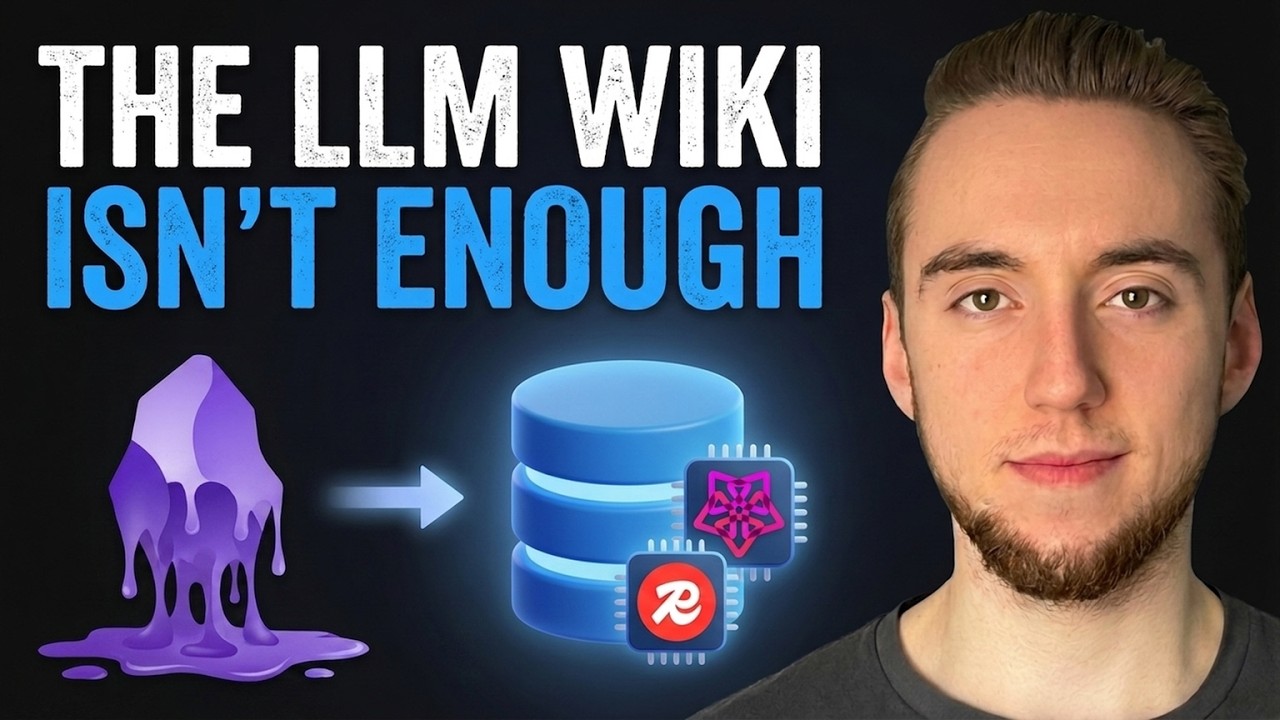
Demonstrates scaling AI agent memory using Redis Iris Context Retriever and Agent Memory, replacing Markdown wikis for multi-user production systems with real-time data handling and access control.
Demonstrates using Runway, Seed Dance 2.0, Gemini, Veo 3.1, Remotion, and Codex for intros, transitions, backgrounds, B-roll, logos, lower thirds, infographics, and animated talking heads.
Evaluates Grok 4.5 via BridgeBench agentic coding workflows, comparing performance against Claude Opus 4.7, GPT 5.5, and Fable 5 using live leaderboard scores.
Locally installs and tests ThinkingCap: Qwen 3.6 27B, evaluating its capability with 50% less thinking tokens.
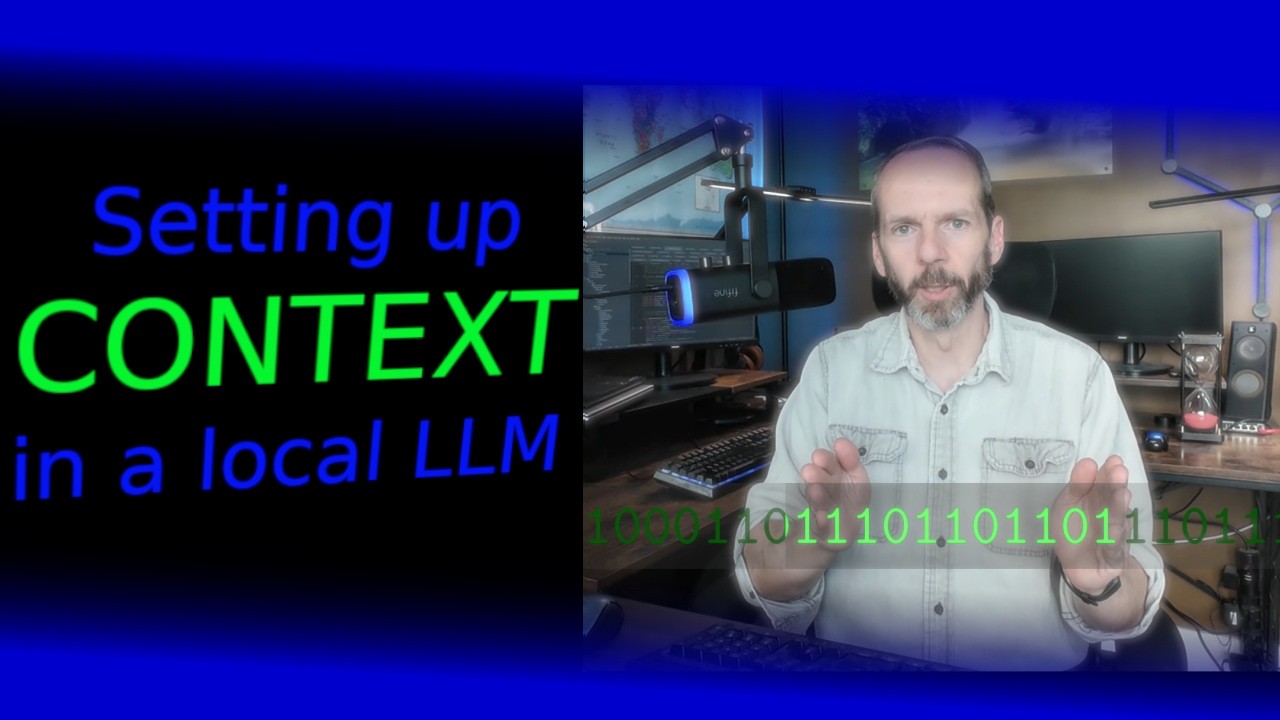
Demonstrates selecting optimal context window sizes for local LLMs by measuring VRAM usage and testing processing capabilities with English text and Java code inputs.
Locally installs Nemotron-Labs-Audex-2B, a unified audio-text LLM developed by NVIDIA.
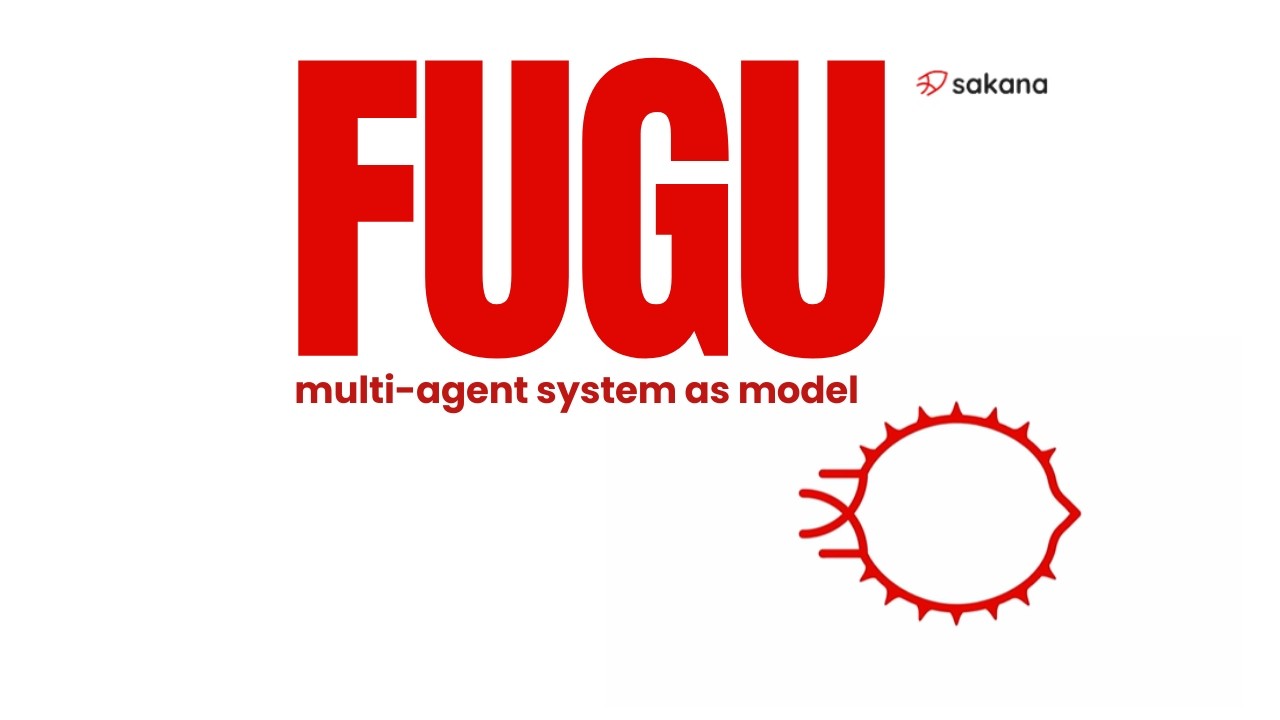
Locally tests Sakana Fugu, described as a multi-agent system functioning as a single model.
Demonstrates cloning, initial build, verification and testing of llama.cpp, plus explains quantization, picking model sizes, exceeding VRAM and testing an MoE model.
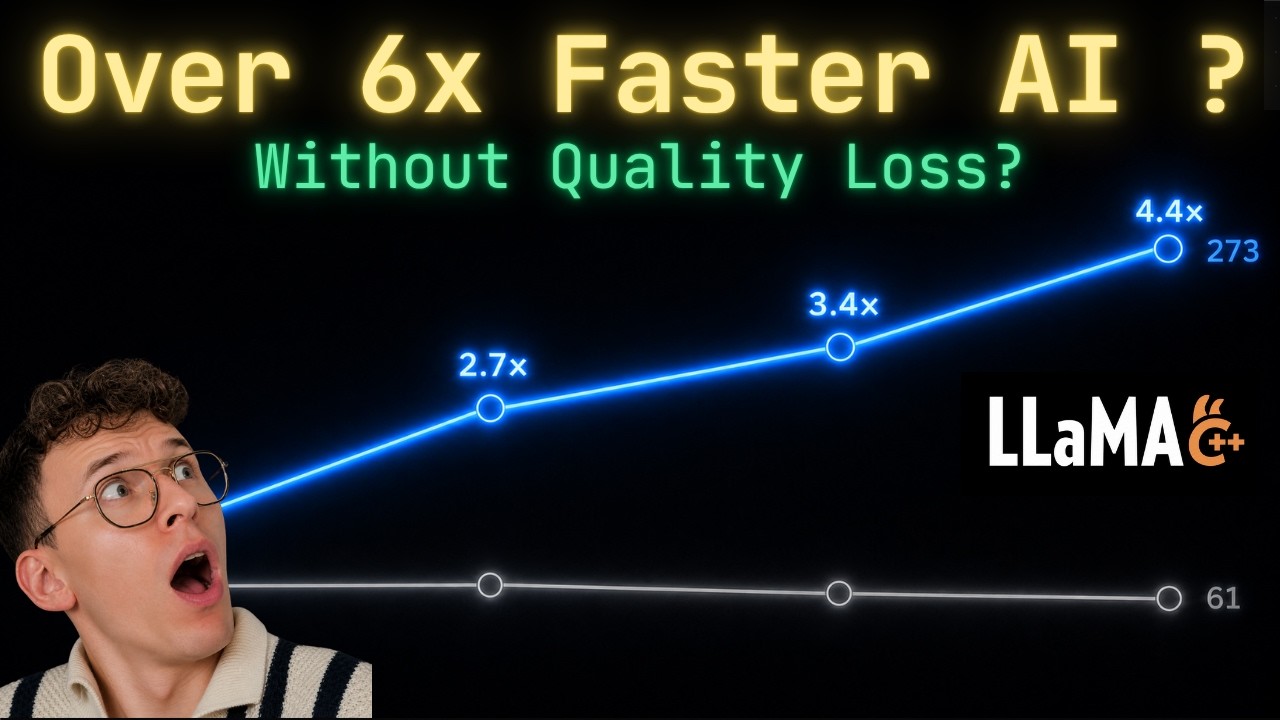
Benchmarking DFlash speculative decoding with Qwen 3.6 27B via llama.cpp on RTX PRO 6000 Blackwell using aiperf and MATH-500, measuring throughput gains and accuracy against baselines.
Demonstrates using openart_ai Director to generate up to 5 minutes of continuous video via chat, maintaining consistency in characters, voices, and story throughout the production process.
Demonstrates building a local deep research agent with Qwen models, implementing sub-agent delegation and tool quotas on AMD Ryzen AI Max Series and Radeon AI PRO R9700 GPUs.
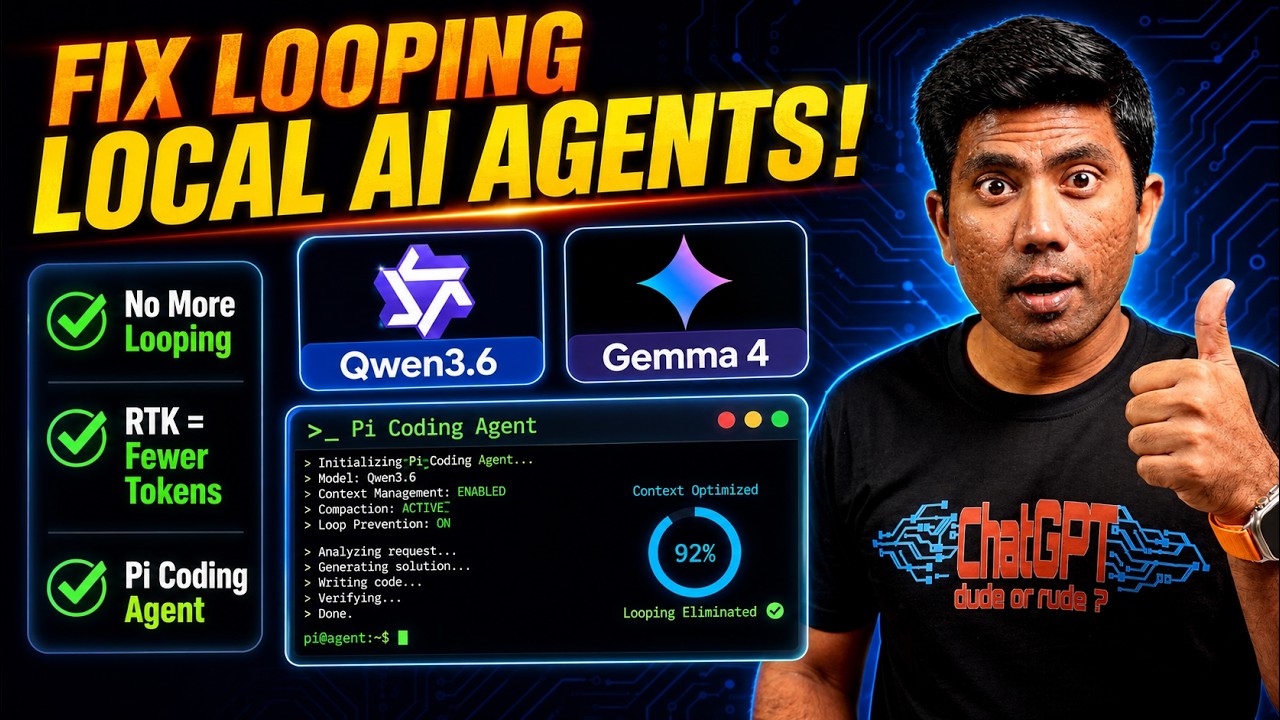
Demonstrates configuring local LLMs like Qwen3.6 MTP and Gemma 4 with GitHub Copilot, Codex, and Claude Code on LM Studio or Ollama, plus setting system prompts in LM Studio to prevent looping.
Tests Tencent Hy3 295B MoE on 2x RTX PRO 6000 Blackwell GPUs using MXFP4 quantization via vLLM and SGLang for coding, agents, and real-world speed.
HY3 undergoes frontend coding, Three.js, HTML5 Canvas, and agentic programming tests, comparing code quality, speed, efficiency, reasoning, and visual output against Fable 5, Claude Opus 4.8, Claude S
Tests Hy3, a 295B MoE with 21B active parameters and 3.8B MTP layer parameters.
A homebrew setup uses old hardware and LMStudio to host a local AI code assistant, testing large, dense, and MoE models while comparing their performance.
Tests Tencent HY3 against GLM and DeepSeek via browser OS, C++ skate game, Linux driver, skydiving, city timeline, frontend design, 3D model, and subway FPS evaluations.
Evaluates the AMD Ryzen AI Halo as a rival to NVIDIA's DGX Spark, questioning if the $4,000 developer machine makes sense.
Compares Ornith 1.0 9B and Qwen 3.5 9B on 8GB VRAM using Performance, Memory, Agency, OpenAI Human Eval, Expense Tracker, and Memory Match Game tests.
Locally installed test of Agents-A1, an agentic model designed to scale heterogeneous agentic abilities across multiple domains.
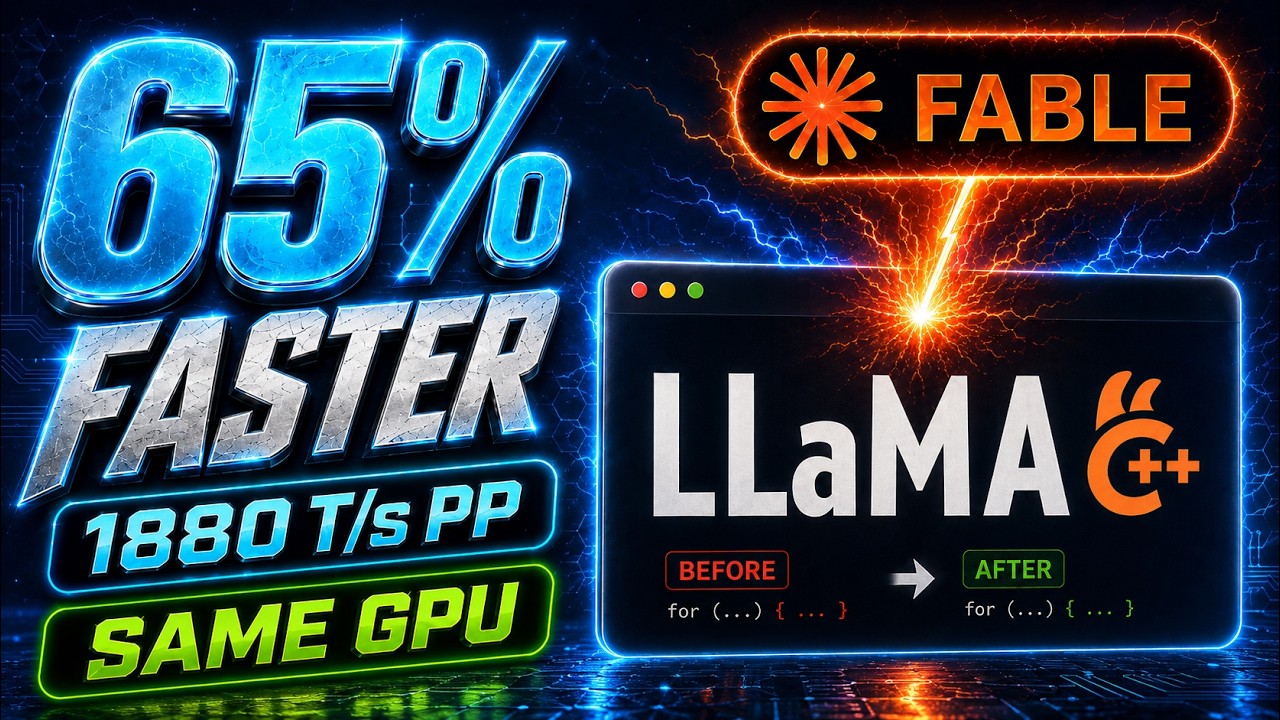
Claude Fable 5 optimized llama.cpp for Qwen3.6 35B-A3B on an RTX 3060, achieving a 64.5% prefill speedup via four patches, with results verified through self-benchmarking.
Installs and tests Headroom with Ollama to demonstrate compression of data read by an AI agent.
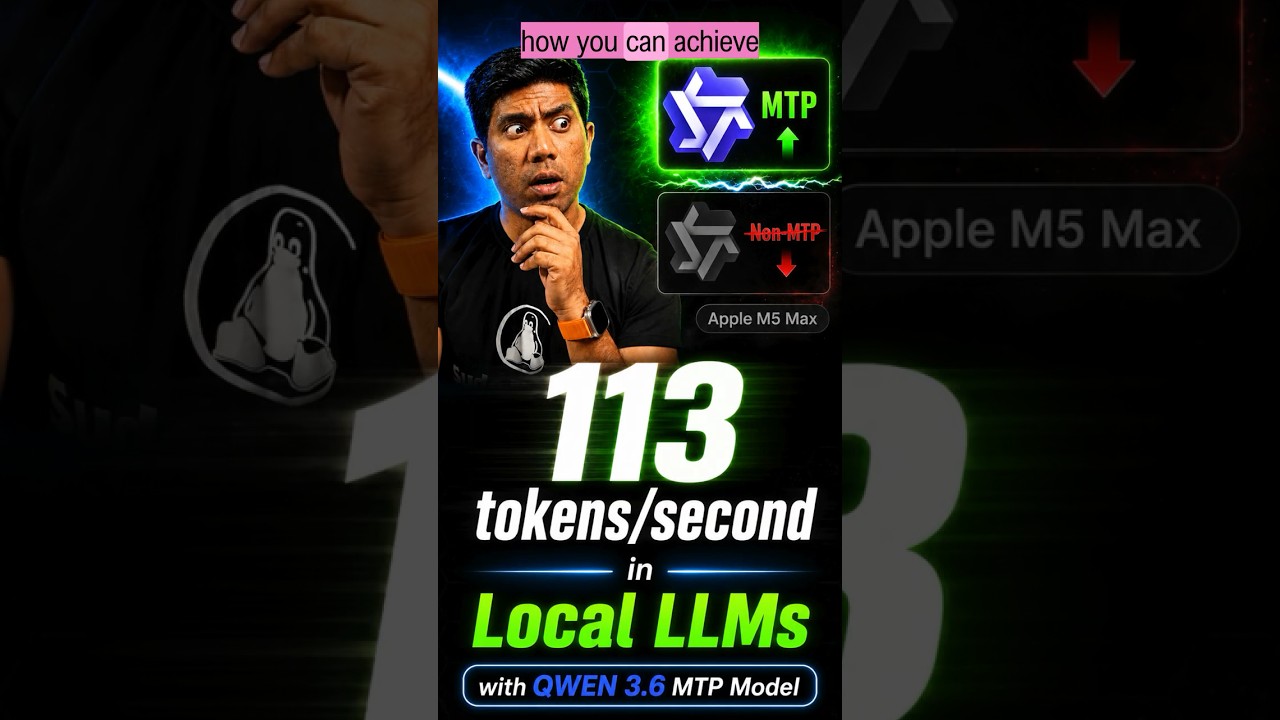
Compares QWEN3.6-35B-A3B inference speed with and without Multi-Token Prediction on an Apple M5 Max using Pi Coding Agent and LM Studio.
Demonstrates two practical tips and tricks to reduce costs when using the Anthropic Fable 5 model.
Covers updates on LongCat 2.0, Claude Fable 5, Sonnet 5, Agents A1, Gemini Omni Flash, Brain2Qwerty, MusViT, LiveEdit, VidiHand, OmniContact, PhysiFormer, Aspire, Comfy MCP, RDM, MrFlow, SimFoundry, C
Installs and tests google/tabfm-1.0.0-pytorch, a zero-shot tabular foundation model from Google Research.
NVIDIA Research's SpatialClaw is a training-free spatial reasoning agent that writes and revises Python code to understand 3D space.
LongCat 2.0 is compared against Claude, Kimi, GLM and DeepSeek to determine which performs best.
Tests Leanstral 1.5, an open-source code agent model designed for Lean 4.
Fable 5 is tested via Arduino render farm concepts, live GPU image rendering, cluster redundancy, city time travel simulations, computer repair, Ultracode games, and rage cheating games.
Installs and tests Needle running on Cactus, achieving 6000 tokens per second prefill and 1200 tokens per second decode speed.
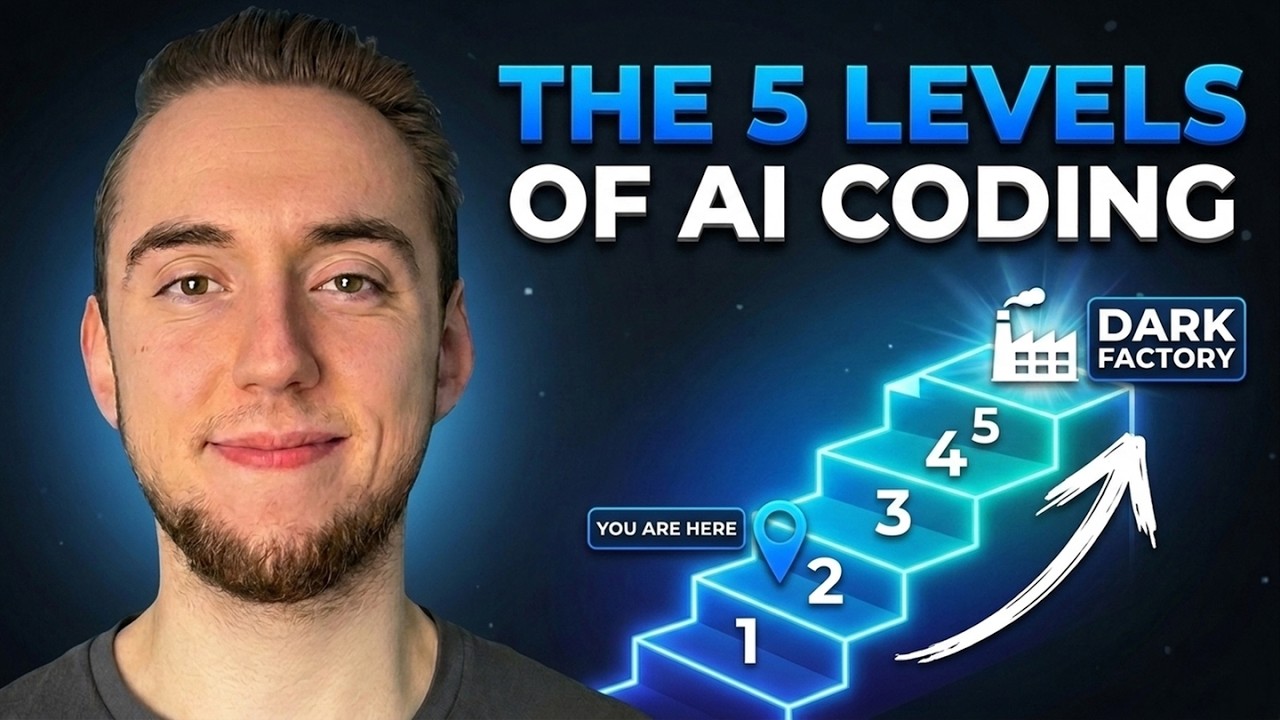
Dan Shapiro maps AI coding tools like Claude Code and Codex to five self-driving car levels, identifying Level 3 as optimal for reliability while explaining why Level 5 Dark Factories aren't the prima
Covers redeployed Fable 5, BuseyBench, GPT-5.6 Sol preview, Claude Sonnet 5, Gemini Omni Flash, NotebookLM Video Overviews, Claude Science Workbench, Cursor for iOS, X MCP Server, Gemini Meet Notes, G
Compares Ornith 1.0 35B and Qwen3.6-35B-A3B-GGUF on a 16GB VRAM system using Driving Game, Fake Desktop, and Agent Maze coding tests.
A Supermicro server with dual Intel Xeon CPUs benchmarks local LLM inference using 4x Nvidia Tesla V100, 4x Nvidia Tesla P100, and 4x AMD Radeon Instinct MI25 GPUs.
Measures accepted-length speedup of DeepSeek's DFlash drafter on Gemma 12B using speculative decoding on a single GPU via DeepSpec resources.
Compares local GLM 5.2 on M3 Ultra 512GB via Inferencer App against cloud Claude Sonnet 5 and Opus 4.8 using CometAPI in Chat, Terminal, and AI Agent OpenCode modes for speed and capability.
Explores speculative decoding techniques used by Deepseek's dSpark system to enhance inference performance through confidence heads and hardware-aware algorithms.
Tests Laguna XS 2.1, a 33B model with 3B activated parameters per token designed for agentic coding and long-horizon tasks.
Explains FP16 to INT4 quantization via floating-point arithmetic, symmetric/asymmetric methods, block quantization, PTQ/QAT, and measures quality using perplexity and KL divergence.